Mechanical Engineering Design (M.E.)

Home Home Departments Mechanical Engineering Design (M.E.)

Mechanical Engineering Design (M.E.)

18
Intake Capacity
PG
Program Type
2025
Established
Mechanical Engineering Design (M.E.)

The M.E. Mechanical Design programme is a postgraduate course designed to develop advanced knowledge and skills in the analysis, design, and development of mechanical systems and components. The programme focuses on modern design methodologies, computer-aided engineering, finite element analysis, optimization techniques, and advanced manufacturing technologies.

Students gain expertise in designing machine elements, automotive components, industrial equipment, and mechanical systems while considering factors such as strength, reliability, safety, sustainability, and cost-effectiveness. The curriculum combines theoretical learning, practical applications, research activities, and industry-oriented projects to prepare graduates for leadership roles in engineering and technology.

Key Features
Advanced study of machine design and engineering analysis.
Training in CAD/CAM/CAE tools and Finite Element Analysis (FEA).
Exposure to product design, optimization, and simulation techniques.
Industry-oriented projects and research opportunities.
Development of problem-solving, analytical, and innovation skills.
Guidance from experienced faculty and industry experts.
Career Opportunities

Graduates of M.E. Mechanical Design can pursue careers as:

Design Engineer
Product Development Engineer
CAE/FEA Analyst
Research and Development Engineer
Manufacturing and Production Engineer
Quality and Reliability Engineer
Project Engineer
Academician and Researcher

Vision & Mission

Vision

To achieve excellence in Mechanical Engineering education by developing globally competent, ethically responsible, and industry-ready engineers who contribute to technological innovation, national development, and advancement of society through research, professionalism, and lifelong learning.

Mission

• To impart strong foundational and advanced Mechanical Engineering knowledge through outcome-based education, modern pedagogy, and industry-relevant curriculum in collaboration with industry, academia, and research organizations.

• To prepare graduates for successful professional careers, entrepreneurship, higher education, and research by developing technical proficiency, innovation capability, and lifelong learning skills.

• To promote research, consultancy, and technology development through active industry collaboration, technical events, and interdisciplinary engagement.

• To nurture responsible engineers with leadership qualities, professional ethics, and commitment to societal and national development.

Laboratories

Design Engineering Laboratory [PCC–505-MDE]

1. Computer program to find eigenvalues using numerical method
2. Computer program of Fourier and Laplace transforms for an engineering application
3. Measurement of strain in cantilever beam using strain gauges
4. Contact stress analysis using FEM software
5. Elasto-plastic analysis of a tensile test specimen using FEM software
6. Determination of full range stress-strain curve for mild steel and aluminum
specimen as per ASTM -E8M
7. Assignment on instrumentation and data collection
8. Assignment on research proposal

Equipment / Lab List
FEM software, Strain gauges
Design Engineering Laboratory-II [PCC–554-MDE]

1. Analysis of inertia forces in slider crank mechanism using computer software
2. Coupler curve synthesis for a mechanism using computer software
3. Determination of natural frequencies & modal analysis of a machine component
using FFT Analyzer
4. Stress and deflection analysis of short and long beams with different end
conditions and cross-sections subjected to different loading conditions (i.e., point
load – force & moment, distributed load etc) using FEA software
5. Stress and deflection analysis of thin and thick rectangular and circular
plates/shells with different end conditions subjected to different loading
conditions (i.e., point load – force & moment, distributed load etc) using FEA
software
6. Stress analysis of rotating disc (solid and hollow discs) using FEA software
7. Buckling mode analysis of a thin shell cylinder using FEA software
8. Direct/Modal frequency response analysis of a beam/plate under a single-point
cyclic load/base excitation with and without damping using FEA software

Equipment / Lab List
FEA software

Faculty Members

Dr (Prof) J B Sankpal
Professor and Campus Director
PhD in Mechanical Engineering, M E Design Engg, B.E. Mechanical Engg 38+ Years exp. director@srttc.ac.in
Area of Interest: Design and optimization; applications of AI and ML in Mechanical system, Industry 4.0
Download Resume
Dr J B Satpute
Dr J B Satpute
Associate Professor
PhD in Mechanical Engineering, M Tech (Thermal), B.E. Mechanical Engg 12 Years exp. hodmech@srttc.ac.in
Area of Interest- Renewable energy, Solar Photovoltaic Thermal system , Heat Transfer
Download Resume
Dr Jaigopal Ambade
Dr Jaigopal Ambade
Assistant Professor
PhD in Mechanical Engineering, M Tech (Thermal), B.E. Mechanical Engg 20+ Years exp. jaigopal.ambade@srttc.ac.in
Download Resume
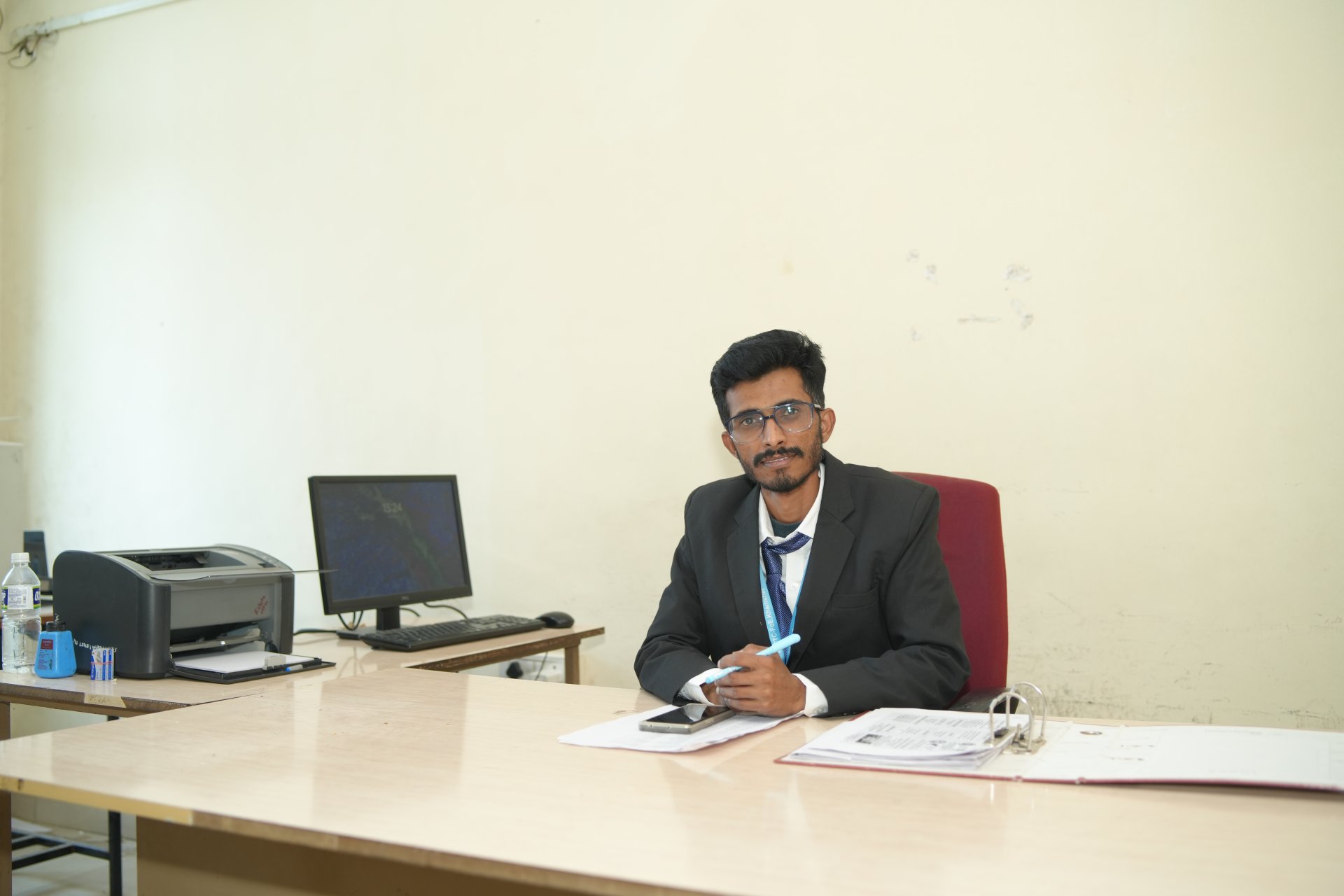
Mr. Shrikant Ghatiga
Assistant Professor
M E Mechanical-Design, B E Mechanical Engineering 6 Years exp. Shrikantghatage076@gmail.com
Download Resume

Activities

Research Gappa; with the Respected  Principal, exchanging ideas and exploring opportunities for research, innovation, and academic excellence.
26
Mar 2026
Technical
Research Gappa; with the Respected Principal, exchanging ideas and exploring opportunities for research, innovation, and academic excellence.

An engaging "Research Gappa" session was organized with the Principal and students to promote a vibrant research culture within the institute. The interactive discussion provided a platform for students to share their research ideas, clarify their doubts, and receive valuable guidance on research methodology, innovation, publication ethics, and emerging technologies. The Principal motivated students to actively participate in research activities, interdisciplinary projects, and innovation-driven initiatives, inspiring them to contribute towards academic excellence and societal development.

SRTTC Khamshet View Details
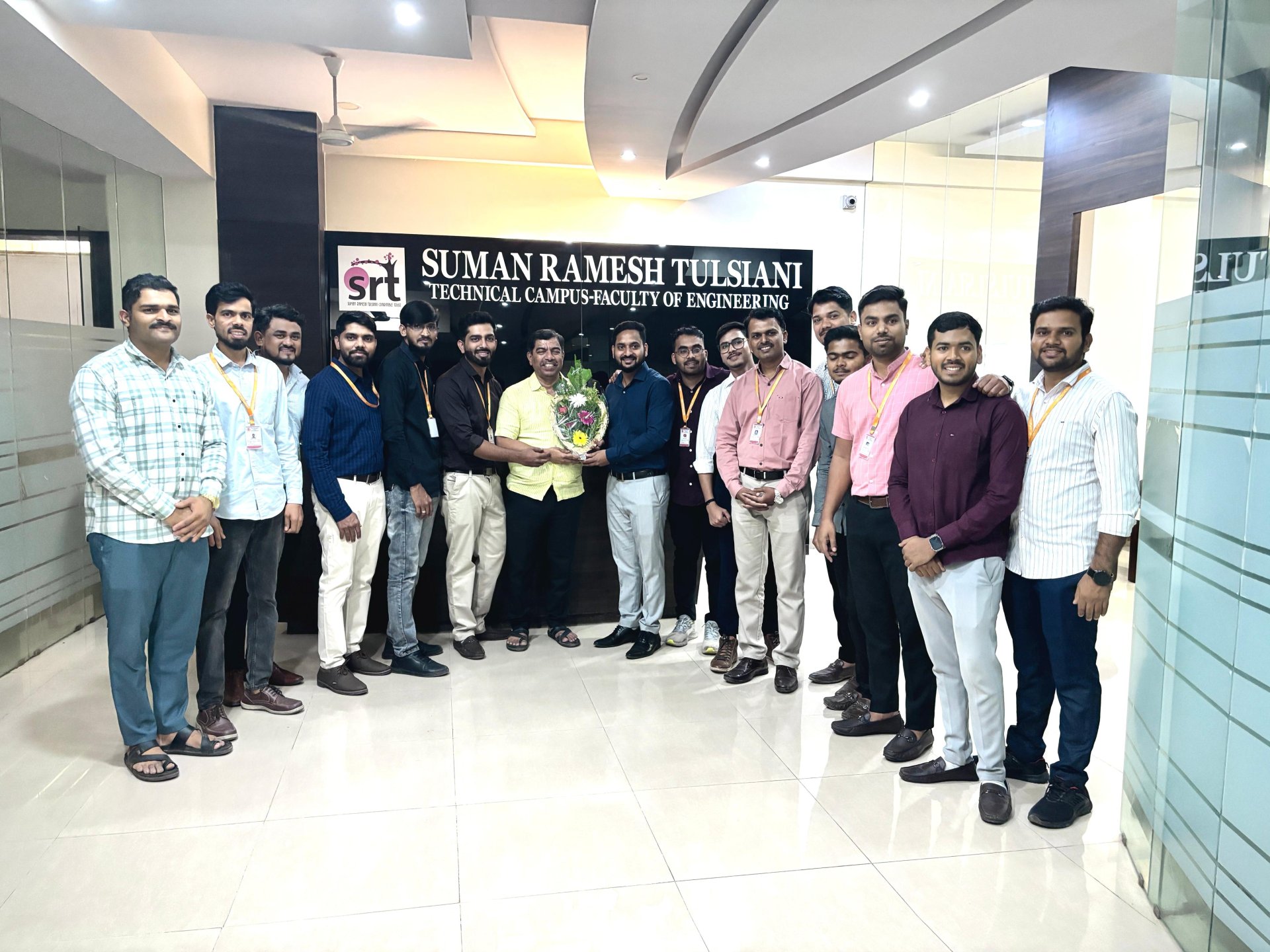
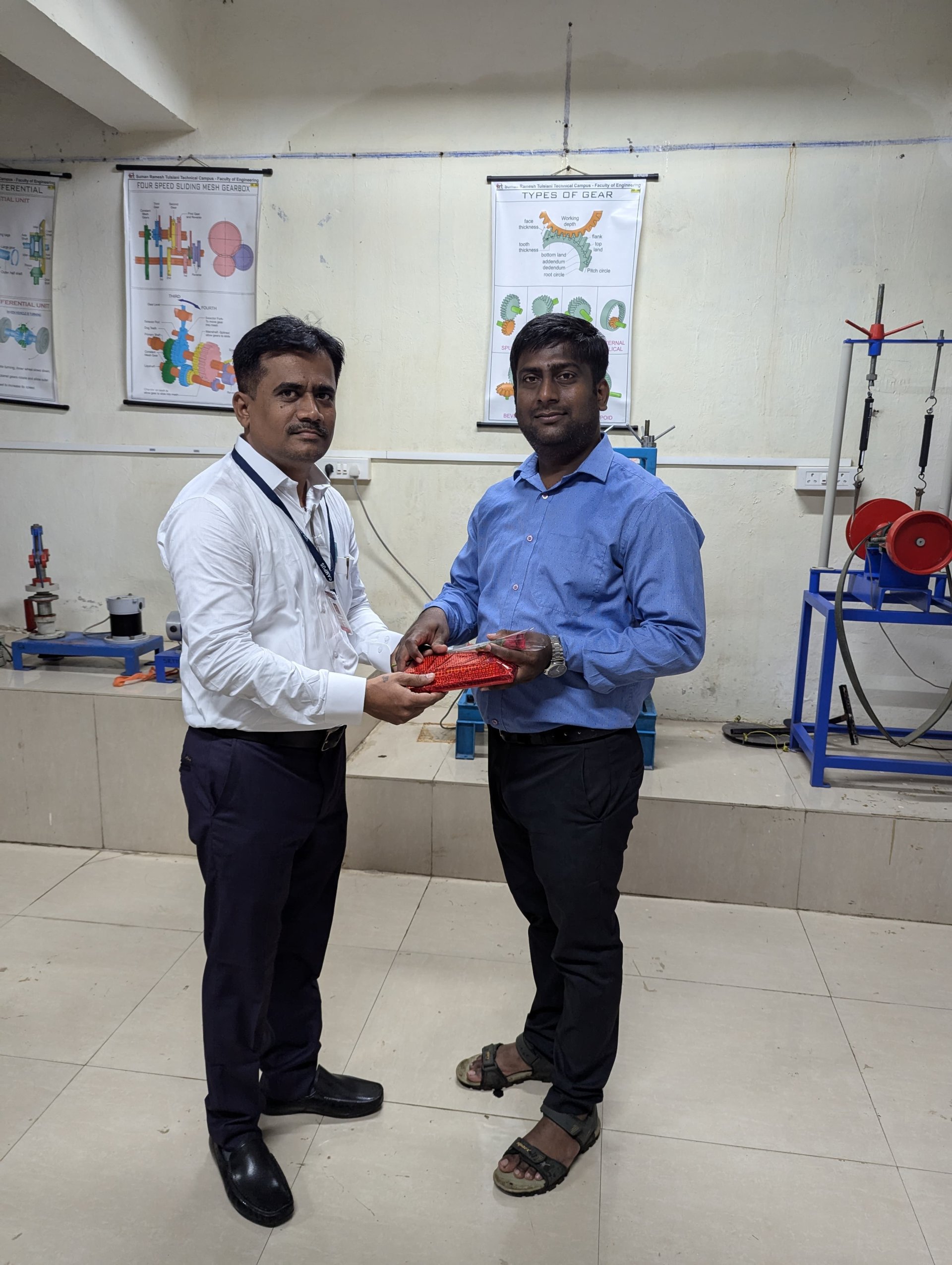
Felicitation of the Distinguished Guest during the  Research Event
11
Feb 2026
Academic
Felicitation of the Distinguished Guest during the Research Event

As a mark of gratitude and respect, the distinguished guest was felicitated during the Research Event in recognition of their valuable presence, insightful guidance, and significant contributions to the field of engineering research. The ceremony reflected the institution's commitment to fostering academic excellence, innovation, and collaborative learning.

SRTTC Khamshet View Details

Downloads

Computational study on water based hybrid photovoltaic systems with different absorber configurations
Research publication
Download
Performance optimization for solar photovoltaic thermal system with spiral rectangular absorber using Taguchi method
Research publication
Download
SOLAR COLLECTOR-Patent
Patent
Download
SOLAR COLLECTOR WITH WAVY THERMAL ABSORBER
Patent
Download