
The Department of Mechanical Engineering, established in 2012, is one of the core branches of engineering that deals with the design, analysis, manufacturing, and maintenance of mechanical systems. Since its inception, the department has demonstrated consistent academic growth, with students achieving commendable results in university examinations and technical competitions. The department is committed to providing a balanced blend of strong theoretical foundations and hands-on practical exposure to meet industry demands.
The department regularly organizes industrial visits, expert lectures, seminars, and workshops on emerging areas such as Advanced Manufacturing Techniques, Robotics and Automation, Thermal Engineering Applications, CAD/CAM, and Electric Vehicles. These programs are conducted by industry professionals and experienced faculty members to bridge the gap between classroom learning and industrial practices. The department also promotes research and innovation, encouraging faculty and students to publish research papers, file patents and copyrights and participate in technical events, thereby fostering a culture of continuous learning and technological advancement.
To achieve excellence in Mechanical Engineering education by developing globally competent, ethically responsible, and industry-ready engineers who contribute to technological innovation, national development, and advancement of society through research, professionalism, and lifelong learning.
• To impart strong foundational and advanced Mechanical Engineering knowledge through outcome-based education, modern pedagogy, and industry-relevant curriculum in collaboration with industry, academia, and research organizations.
• To prepare graduates for successful professional careers, entrepreneurship, higher education, and research by developing technical proficiency, innovation capability, and lifelong learning skills.
• To promote research, consultancy, and technology development through active industry collaboration, technical events, and interdisciplinary engagement.
• To nurture responsible engineers with leadership qualities, professional ethics, and commitment to societal and national development.
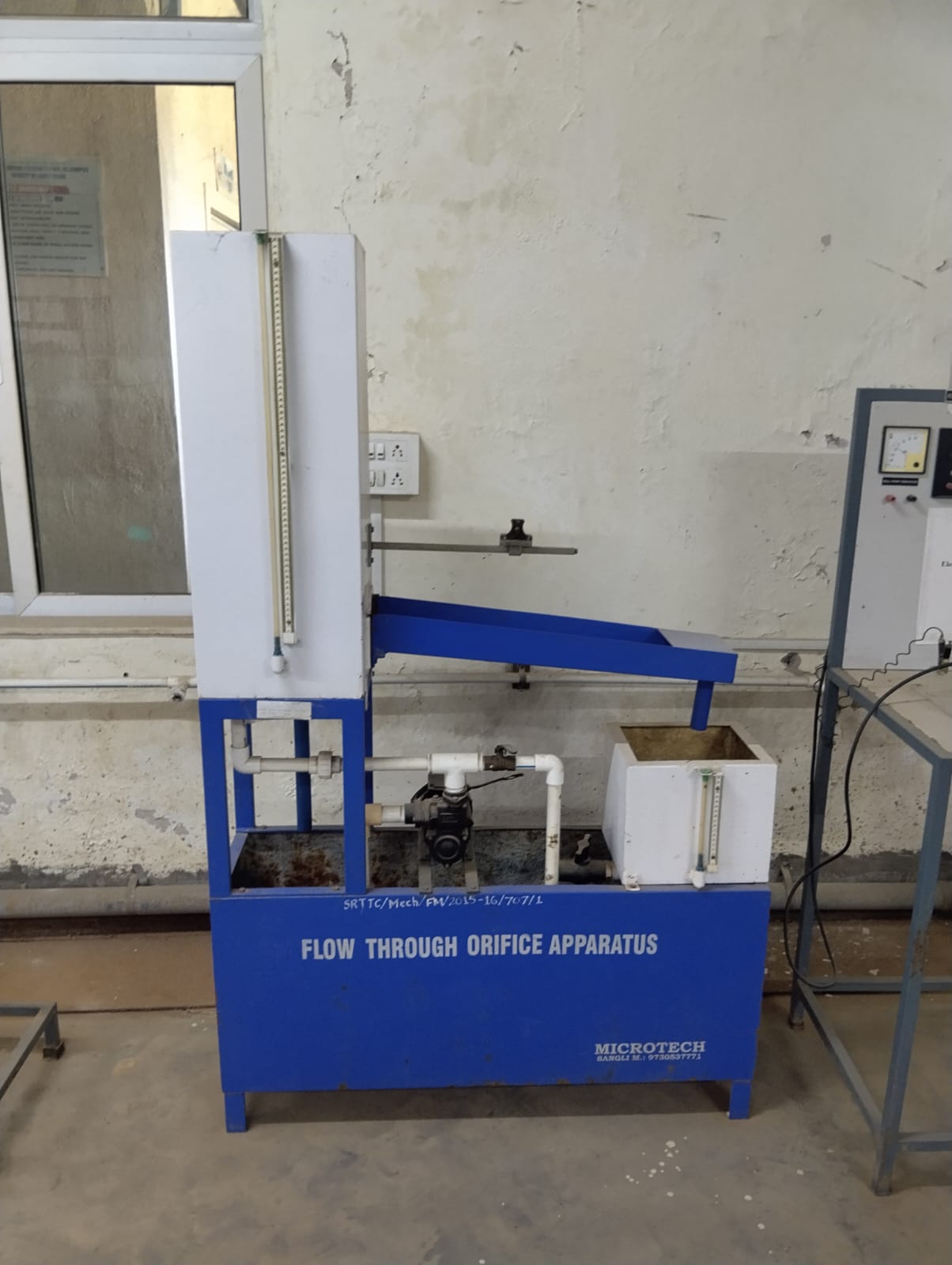
A Thermo-Fluid Engineering Laboratory is a laboratory where students study the principles of thermodynamics, fluid mechanics, and heat transfer through practical experiments. The lab helps students understand how energy, heat, and fluids behave in engineering systems.
A Thermo-Fluid Engineering Lab is a practical laboratory where students perform experiments related to heat, energy, fluid flow, and thermal systems to gain hands-on understanding of thermo-fluid engineering concepts.
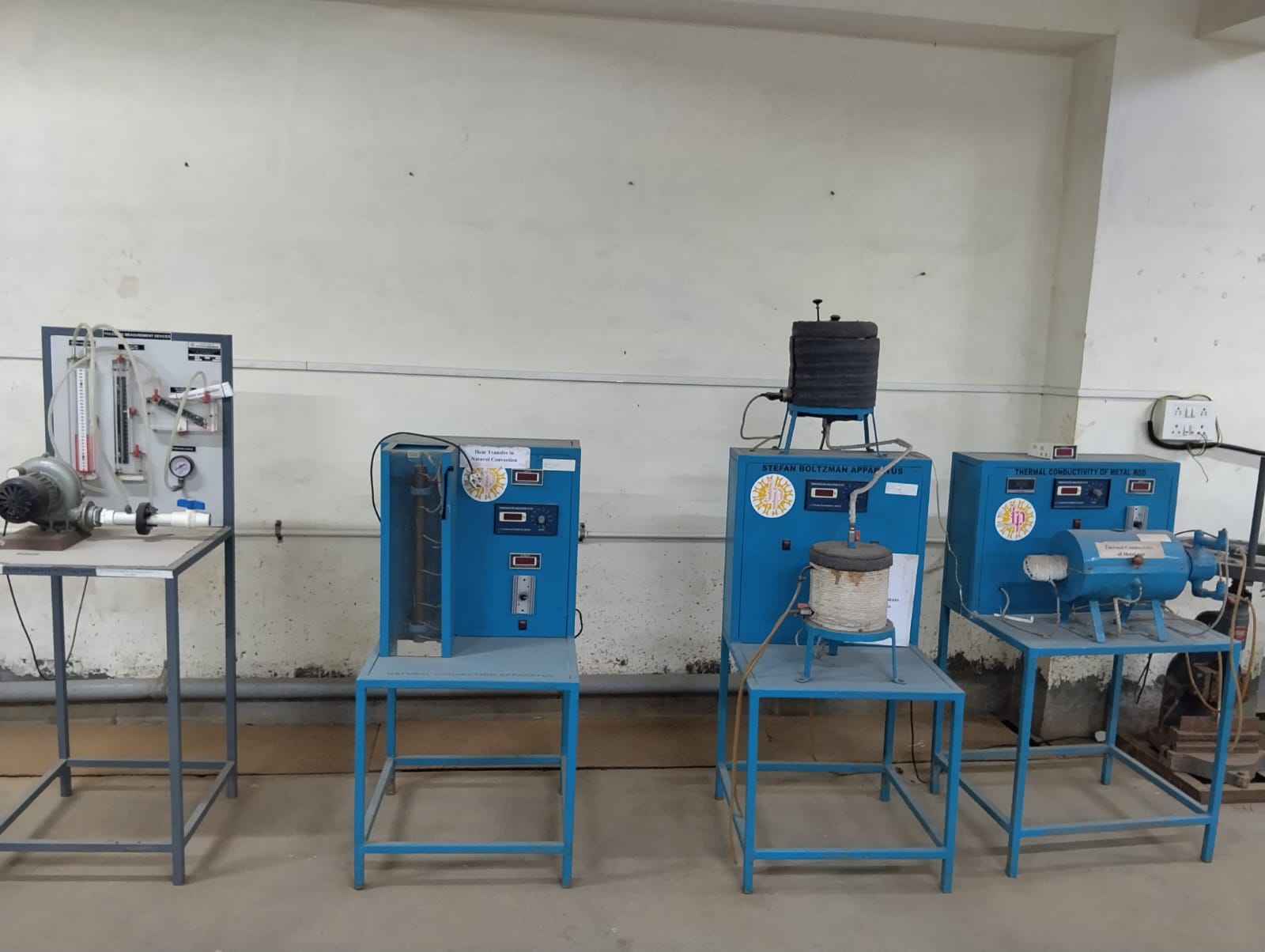
A Heat and Mass Transfer Laboratory is a practical laboratory where students study the principles of heat transfer and mass transfer through experiments. It helps in understanding how heat energy and substances move between systems under different conditions.
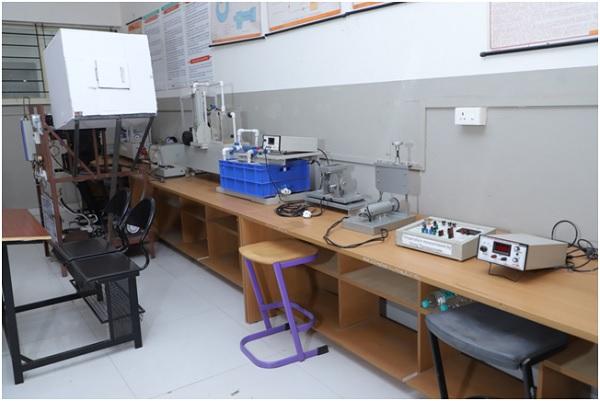
A Measurement Laboratory is a specialized facility used to study, perform, and analyze various engineering measurements with high accuracy and precision. It helps students understand the principles of measurement, calibration, error analysis, and the use of different measuring instruments.
In a measurement laboratory, students learn to measure physical quantities such as length, diameter, angle, pressure, temperature, force, flow rate, and displacement using instruments like vernier calipers, micrometers, dial gauges, pressure gauges, thermocouples, and digital measuring devices.
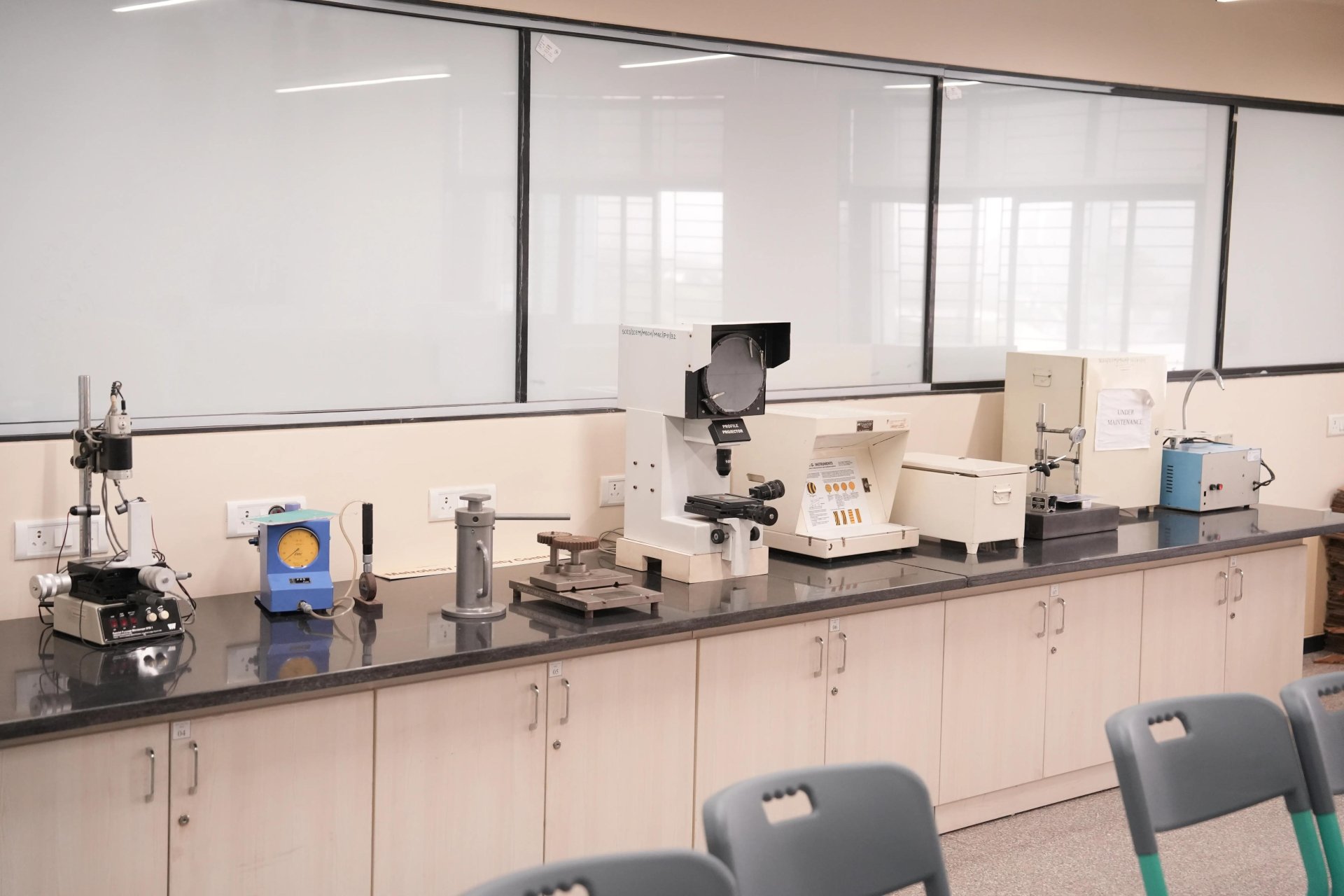
A Metrology and Quality Control Laboratory is a specialized laboratory in Mechanical Engineering where students learn techniques for precision measurement, inspection, calibration, and quality assurance of manufactured components.Metrology and Quality Control are essential for ensuring that manufactured products meet specified dimensions, tolerances, and quality standards. Accurate measurements help reduce defects, improve product reliability, and increase customer satisfaction.
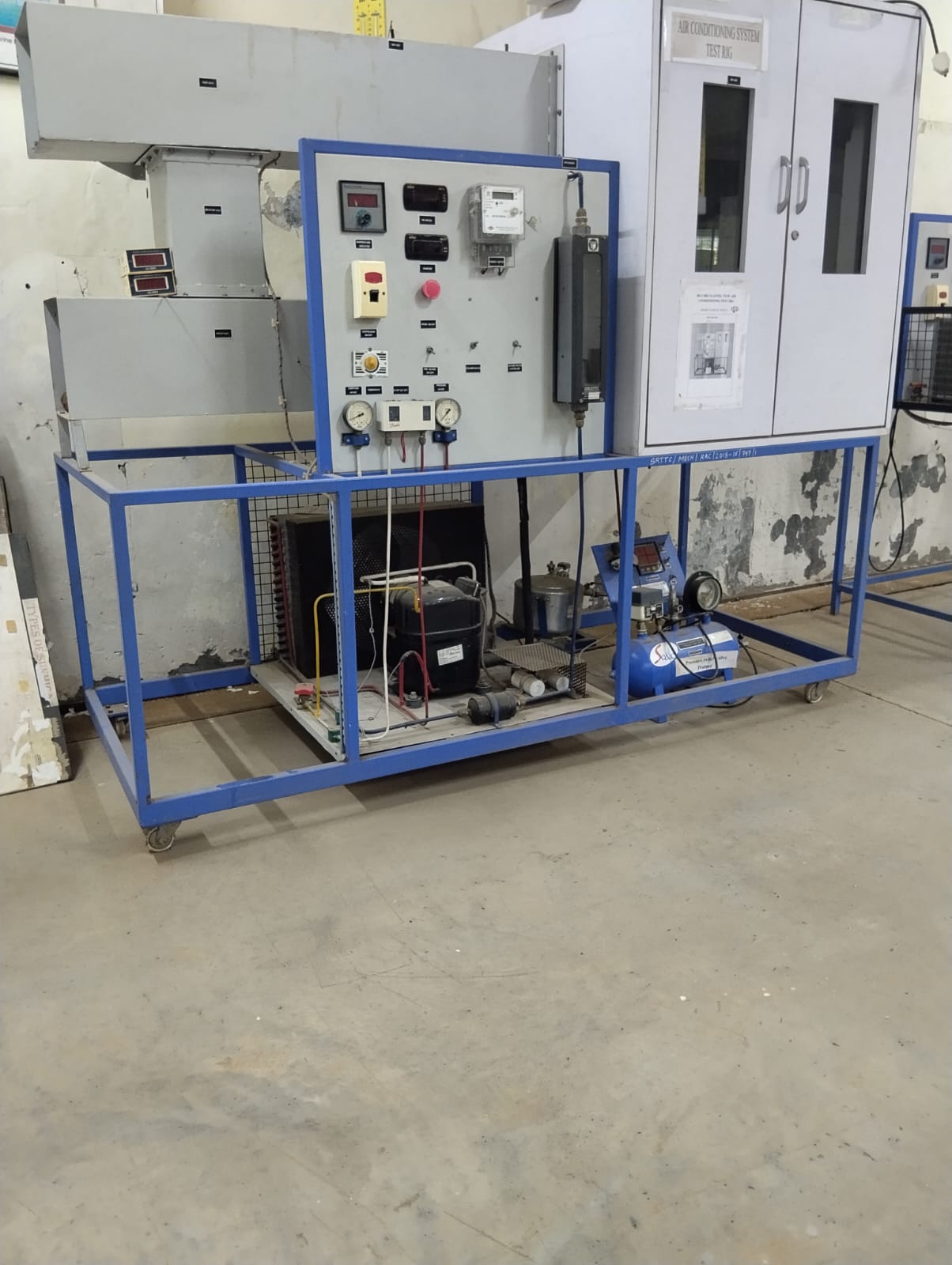
The HVAC&R Laboratory is a specialized laboratory in Mechanical Engineering where students study the principles and operation of heating, ventilation, air conditioning, and refrigeration systems. The laboratory provides practical knowledge of thermal comfort, indoor air quality, cooling, heating, and energy-efficient climate control systems.HVAC&R systems play a crucial role in providing thermal comfort, maintaining indoor air quality, preserving food and medicines, and supporting industrial processes. Understanding these systems is essential for mechanical engineers involved in building services, energy management, and refrigeration industries.
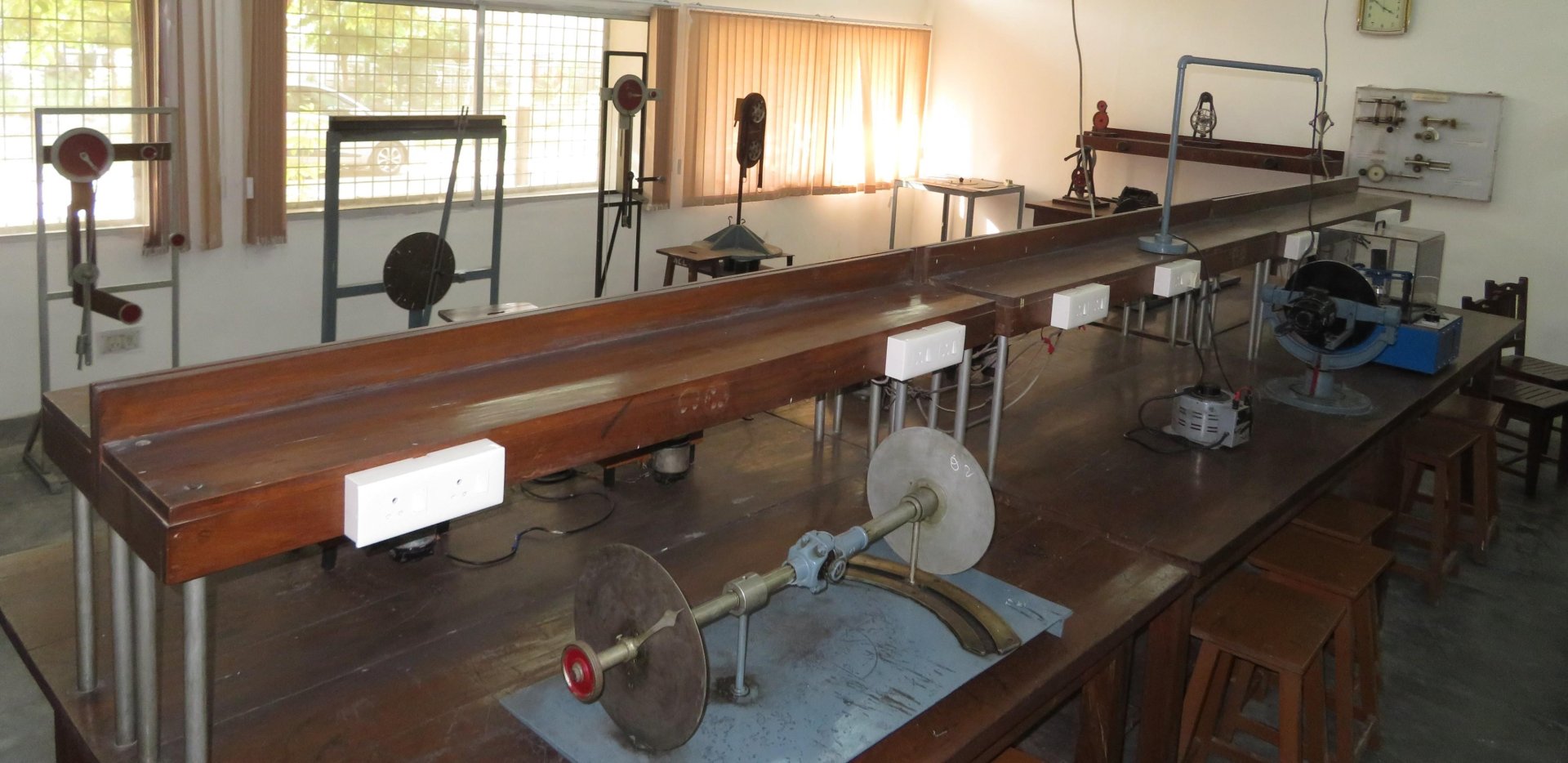
The Dynamics of Machinery Laboratory is an important laboratory in Mechanical Engineering where students study the behavior of machines in motion, including forces, vibrations, balancing, governors, gyroscopes, and mechanisms. The laboratory helps students understand the dynamic performance of machines and rotating systems through practical experiments.The Dynamics of Machinery Laboratory helps students understand how forces and motion affect machine performance, stability, efficiency, and safety. The knowledge gained is essential for the design, analysis, and maintenance of modern mechanical systems.
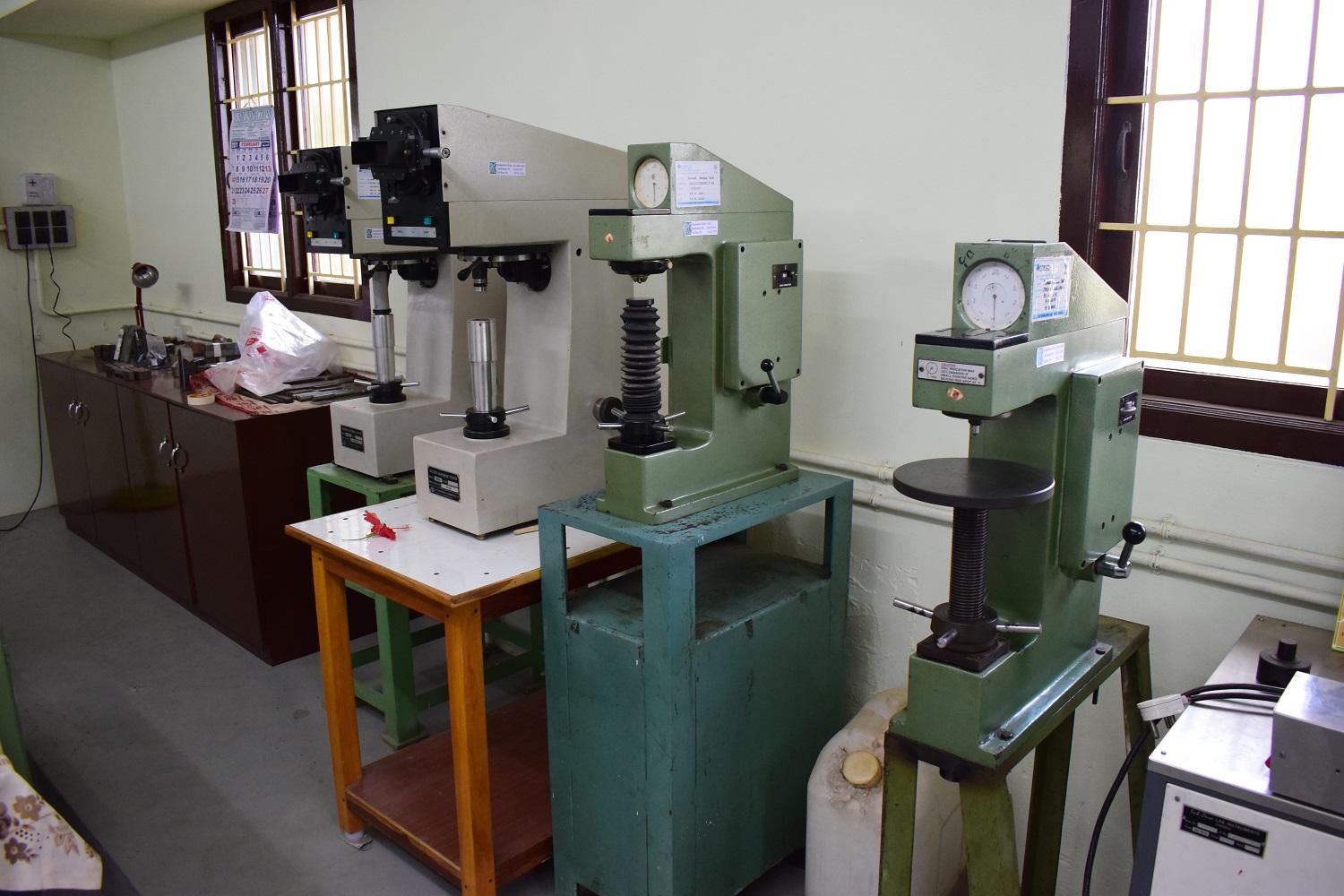
The Material Testing and Characterization Laboratory is a specialized laboratory in Mechanical Engineering where students study the mechanical properties, microstructure, and behavior of engineering materials under different loading and environmental conditions. The laboratory provides practical knowledge of material selection, testing, failure analysis, and quality assessment.The Material Testing and Characterization Laboratory helps students understand the relationship between a material's structure and its properties. This knowledge is essential for designing safe, reliable, and cost-effective engineering components and systems.
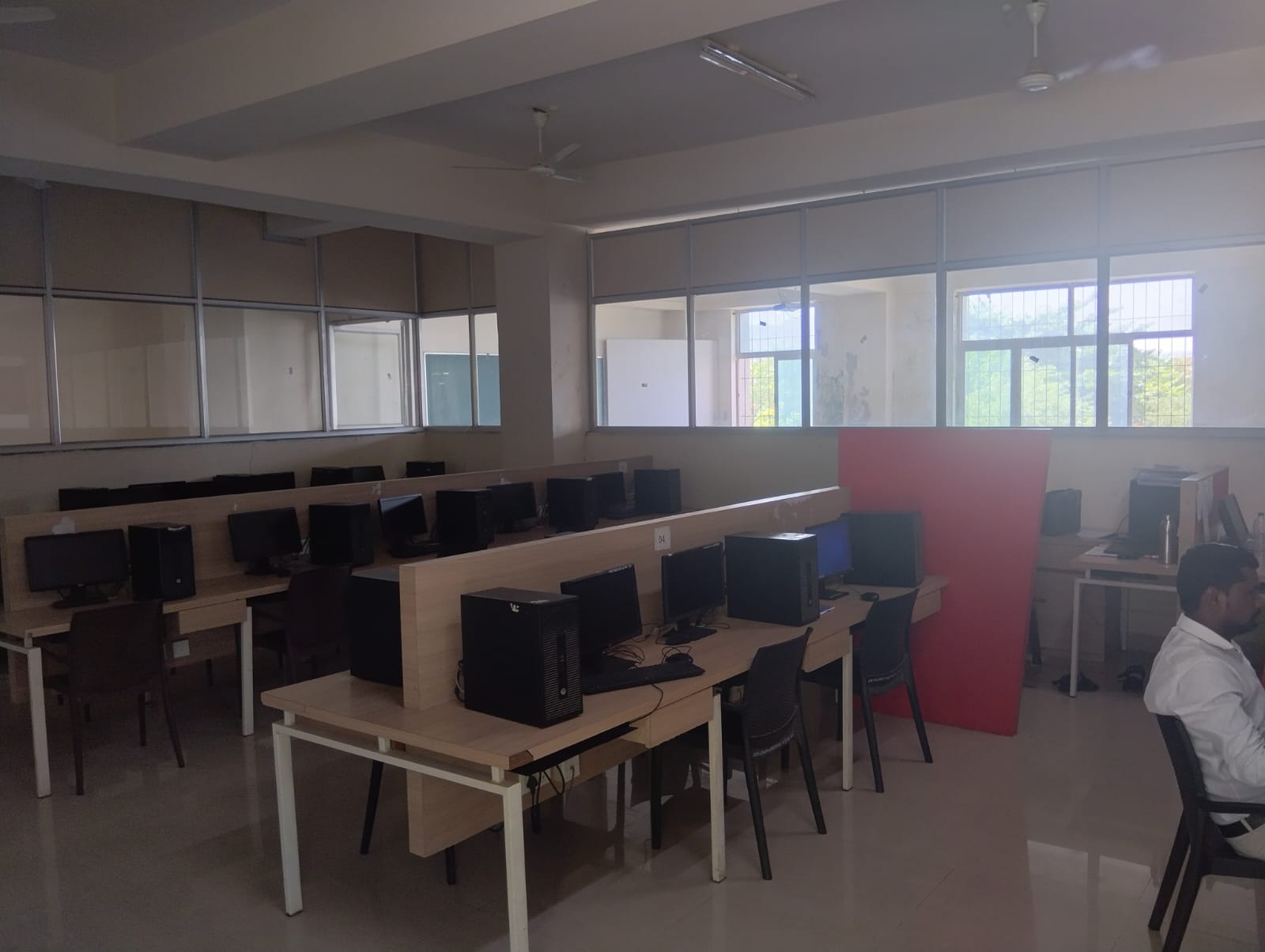
The Solid Modeling and Drafting Laboratory is a computer-based laboratory in Mechanical Engineering where students learn to create 2D drawings, 3D models, assemblies, and engineering drafts using CAD (Computer-Aided Design) software such as Solid Edge, AutoCAD, and CATIA.The Solid Modeling and Drafting Laboratory enables students to convert engineering concepts into detailed digital models and manufacturing drawings. It is an essential laboratory for modern mechanical engineers, helping them develop industry-relevant CAD skills required in design, analysis, and manufacturing sectors.
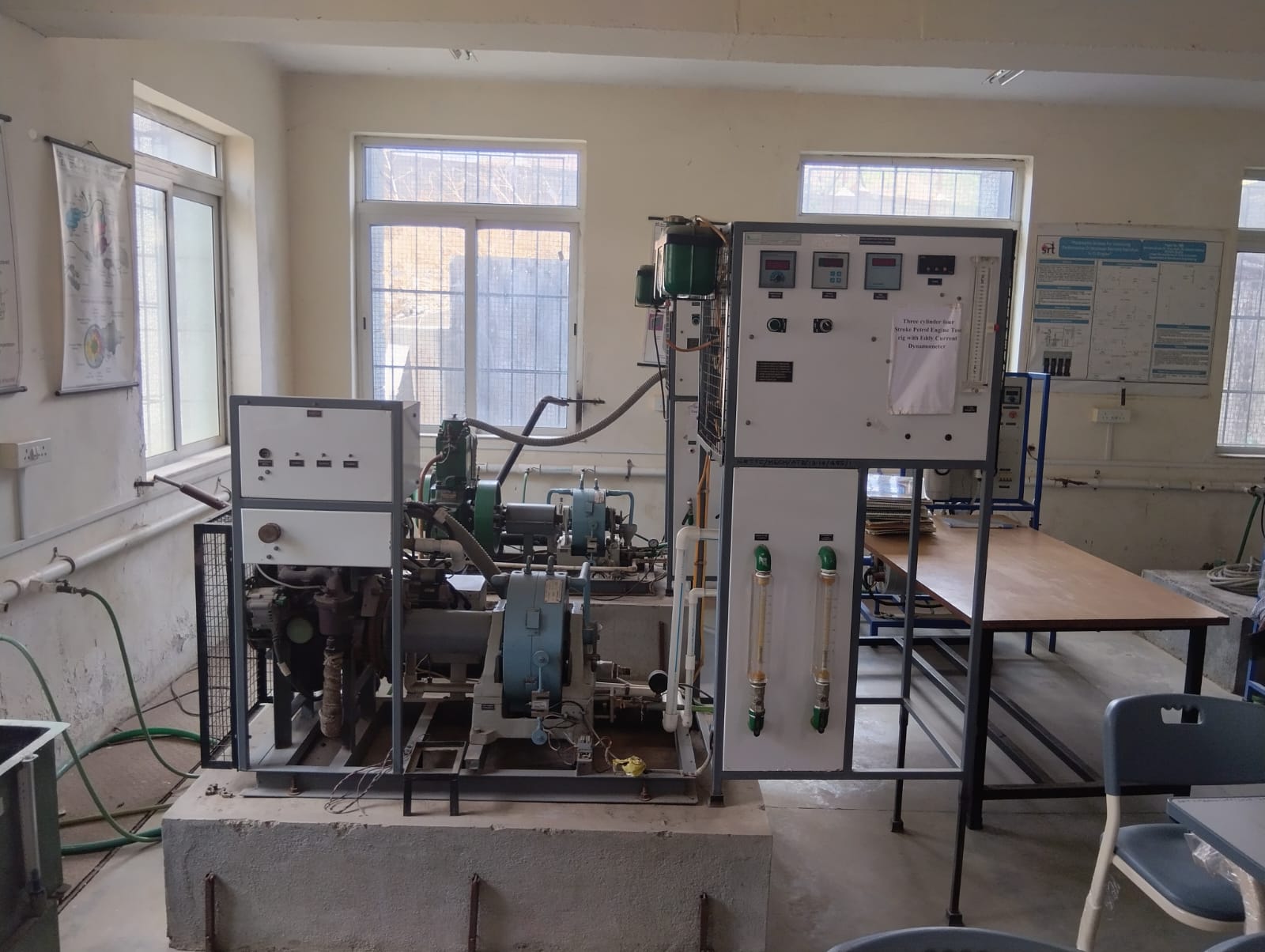
The Internal Combustion Engine Laboratory is a fundamental laboratory in Mechanical Engineering where students study the construction, operation, performance, and testing of petrol and diesel engines. The laboratory provides practical knowledge of engine systems, fuel combustion, efficiency, and emission characteristics.The IC Engine Laboratory helps students understand engine performance, fuel economy, emissions, and energy conversion processes. The knowledge gained is essential for the design, operation, maintenance, and development of modern automotive and power-generation systems.
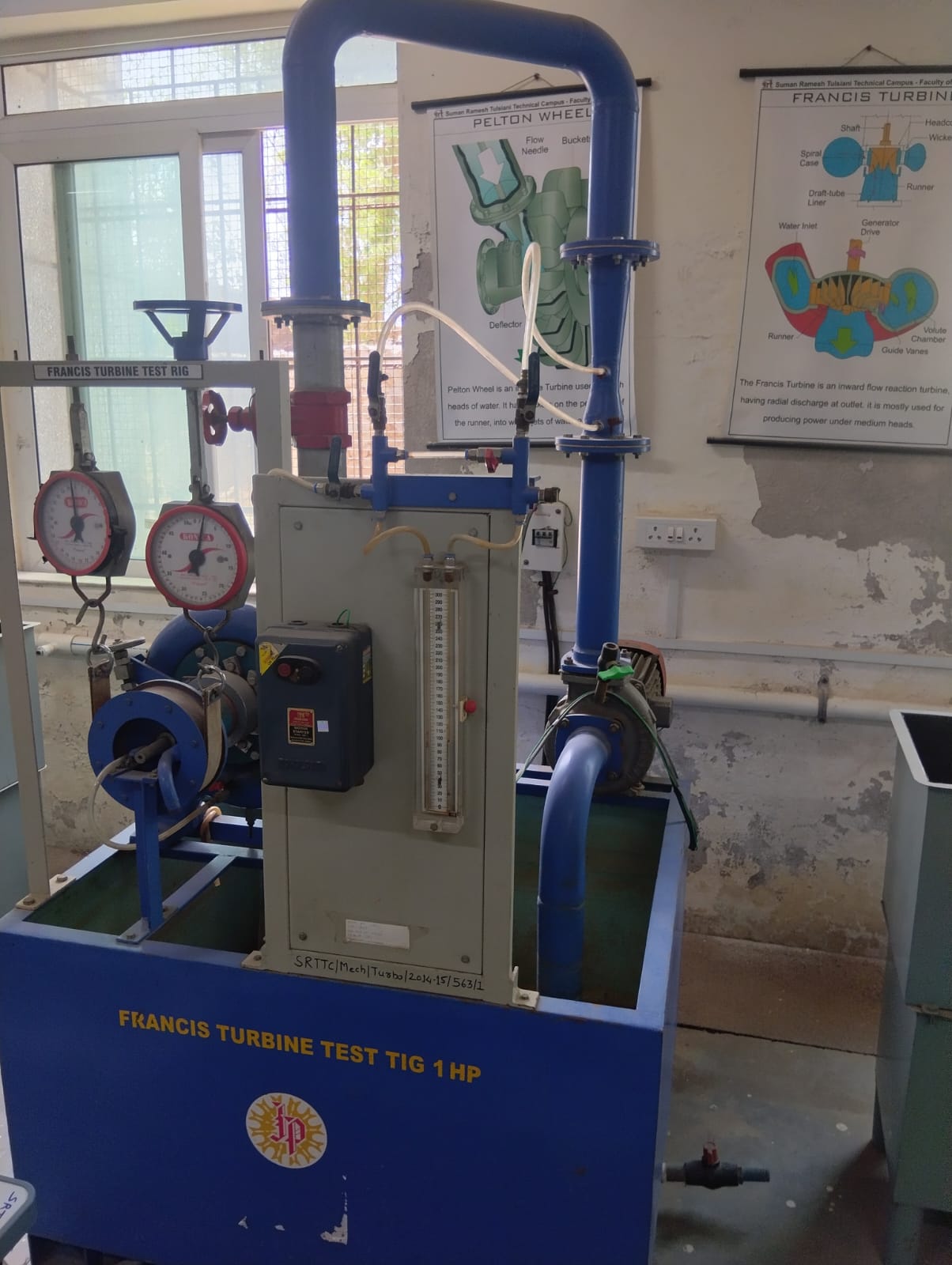
A Turbomachinery Laboratory is used to study the performance, characteristics, and operation of fluid machines that transfer energy between a fluid and a rotating element. The lab enables students to conduct experiments on turbines, pumps, compressors, and blowers, and to analyze parameters such as efficiency, head, discharge, power output, and performance characteristics under different operating conditions. It provides practical understanding of fluid mechanics, energy conversion, and turbomachinery design principles.
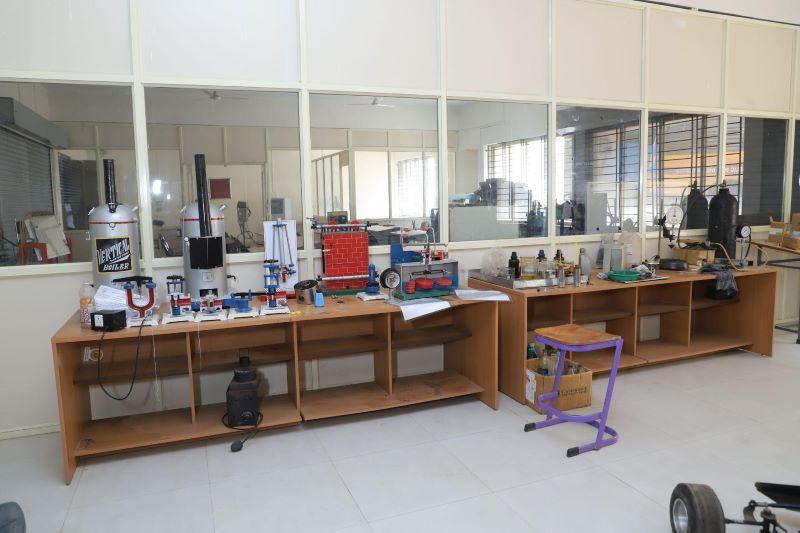
The Applied Thermodynamics Laboratory provides practical exposure to the principles of thermodynamics and energy conversion systems. The laboratory enables students to study the performance, efficiency, and operating characteristics of thermal systems such as boilers, steam turbines, compressors, refrigeration units, and heat engines. Through experimental investigations, students learn about energy transfer, thermodynamic cycles, combustion processes, and the performance evaluation of thermal equipment used in industrial applications.



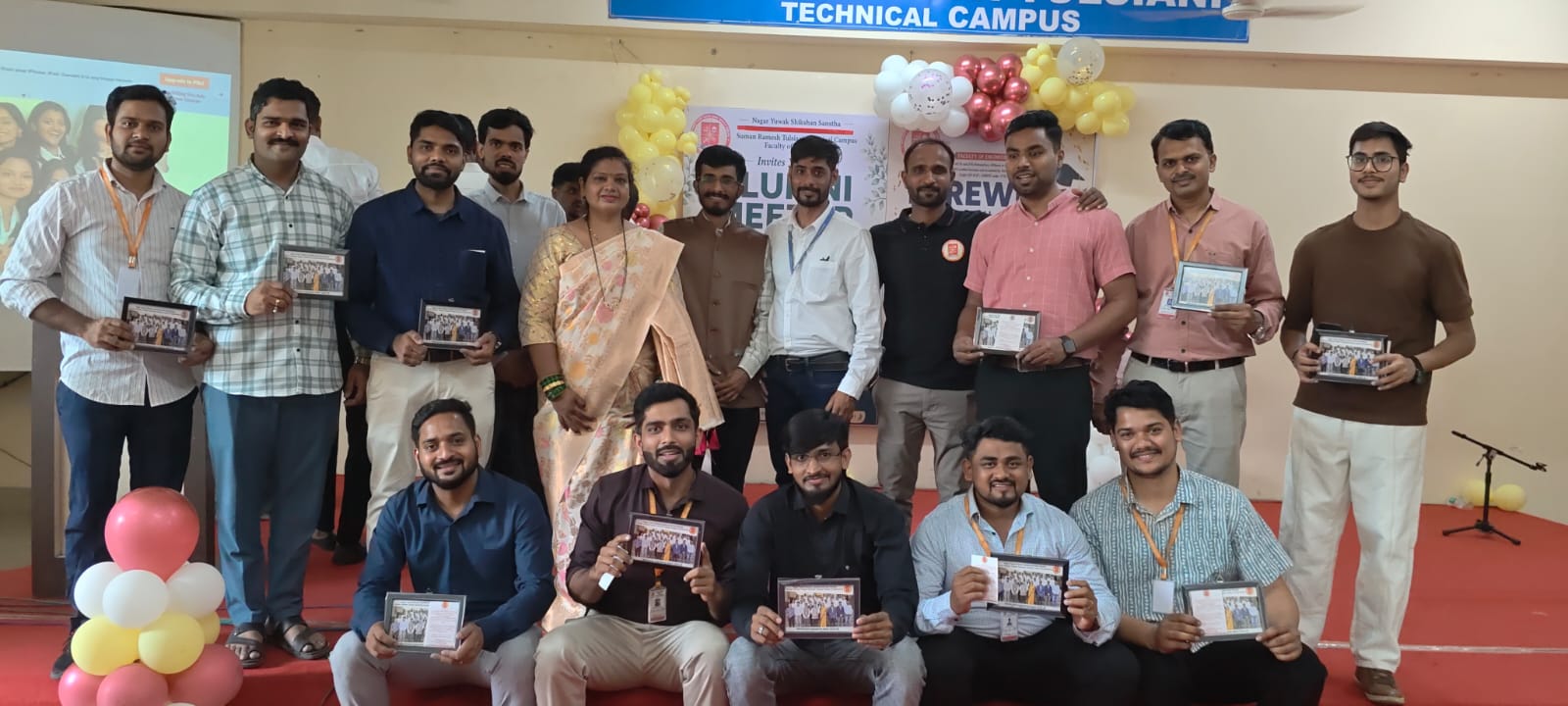
The Department of Mechanical Engineering organized a Project Competition to encourage innovation, creativity, and practical application of engineering knowledge among students. The competition provided a platform for students to showcase their technical skills, problem-solving abilities, and innovative project ideas. Students presented working models, prototypes, and research-based projects addressing real-world engineering challenges. The projects were evaluated by experts based on innovation, technical feasibility, design, functionality, presentation, and societal impact. The event promoted teamwork, technical excellence, and a spirit of healthy competition among participants.
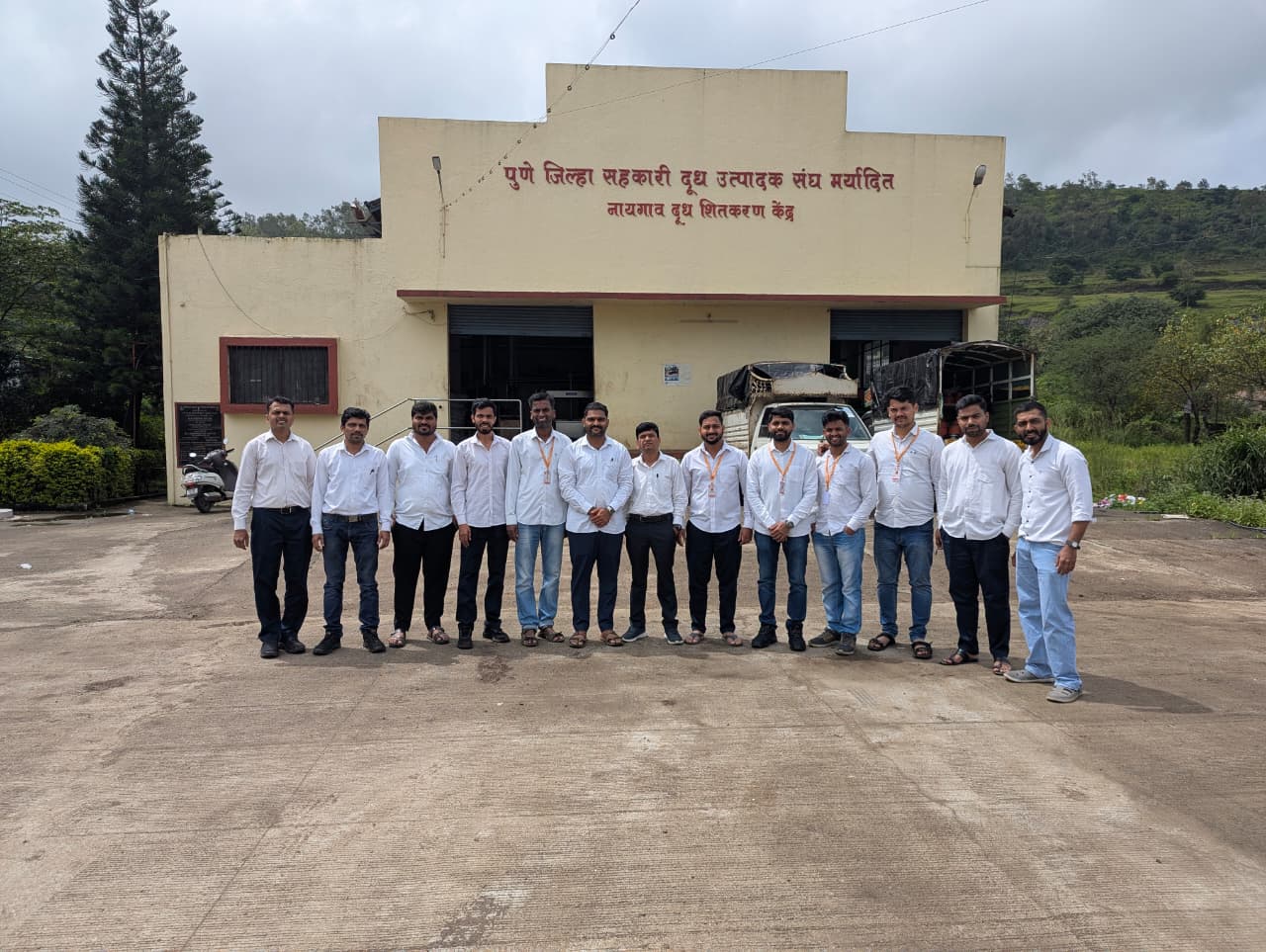
The Department of Mechanical Engineering organized an industrial visit to the Naigaon Chilling Plant for Mechanical Engineering students to provide practical exposure to refrigeration and cooling systems used in the dairy and food-processing industry. During the visit, students studied the operation and maintenance of chilling and refrigeration systems used for milk preservation and storage. They observed various components such as compressors, condensers, evaporators, cooling towers, pumps, and control systems. The visit also provided insights into temperature control, energy management, quality assurance practices, and the importance of maintaining the cold chain in dairy processing.
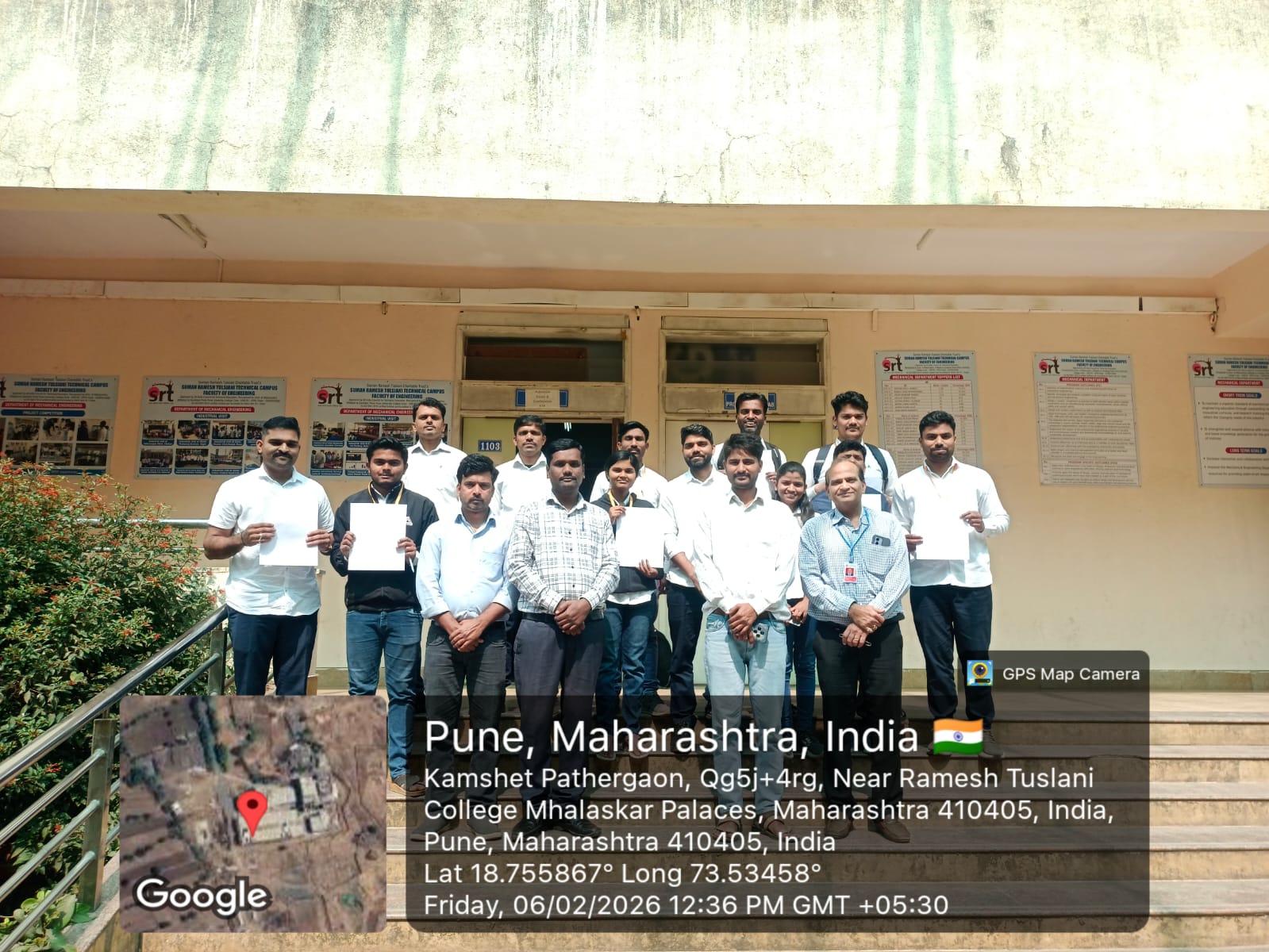
The Department of Mechanical Engineering successfully organized a Copyright Filing Event to encourage innovation, research, and intellectual property protection among faculty members and students. The event aimed to create awareness about the importance of copyright registration for academic, research, and technical works. Participants received guidance on the copyright filing process, documentation requirements, and legal aspects of intellectual property rights. The initiative reflects the department's commitment to promoting research excellence and safeguarding original contributions in engineering and technology.
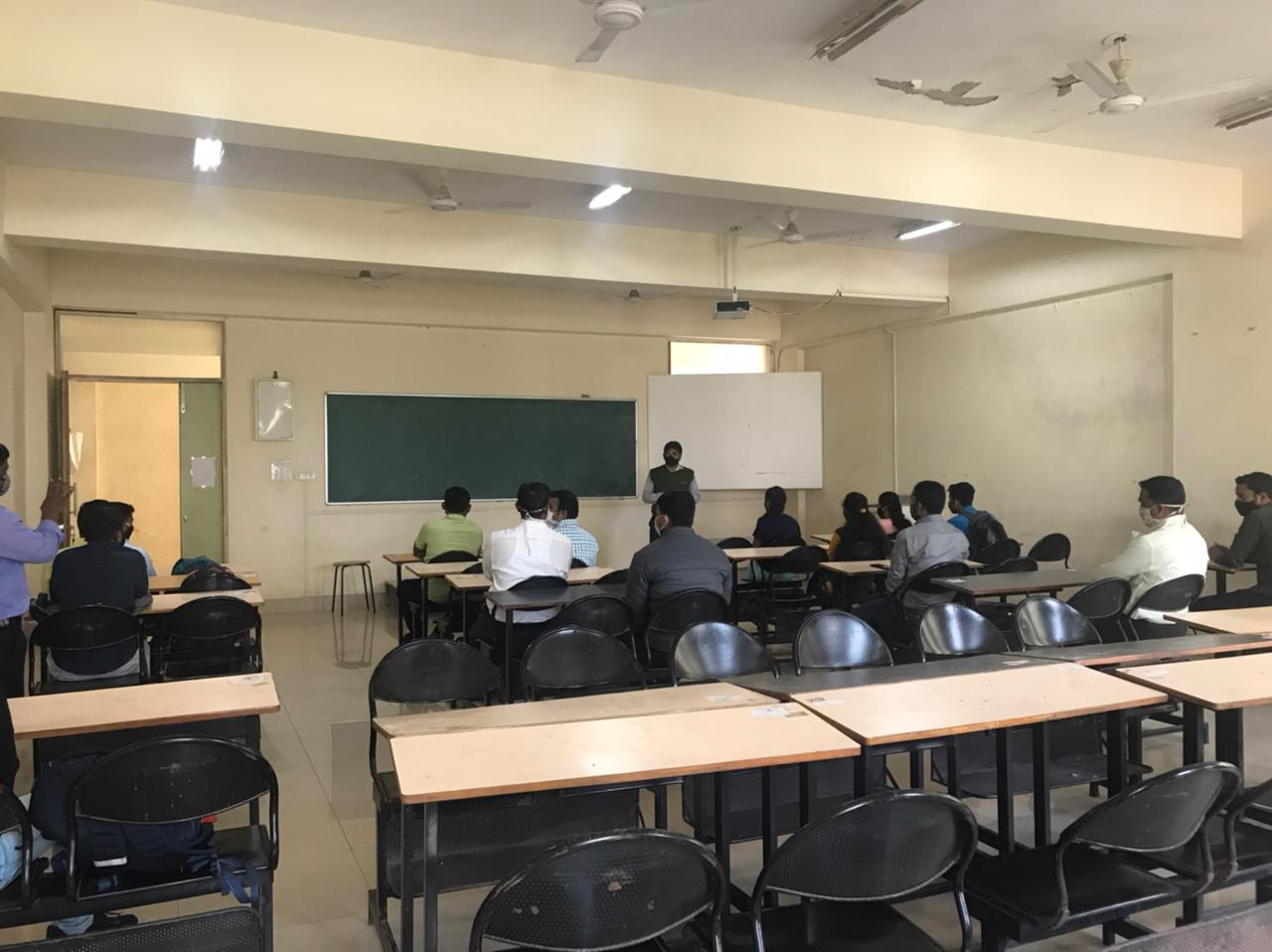
The Department of Mechanical Engineering organized an expert session on "Importance of Artificial Intelligence and Machine Learning" for Third Year (T.E.) Mechanical Engineering students. The session was delivered by Prof. Ajinkya K. Salve with the objective of introducing students to emerging technologies and their applications in engineering. During the session, students were introduced to the fundamentals of Artificial Intelligence (AI) and Machine Learning (ML), their significance in modern industries, and their growing role in manufacturing, automation, predictive maintenance, quality control, robotics, and smart systems. The speaker highlighted current industry trends, career opportunities, and the importance of developing AI and ML skills to meet future technological demands.
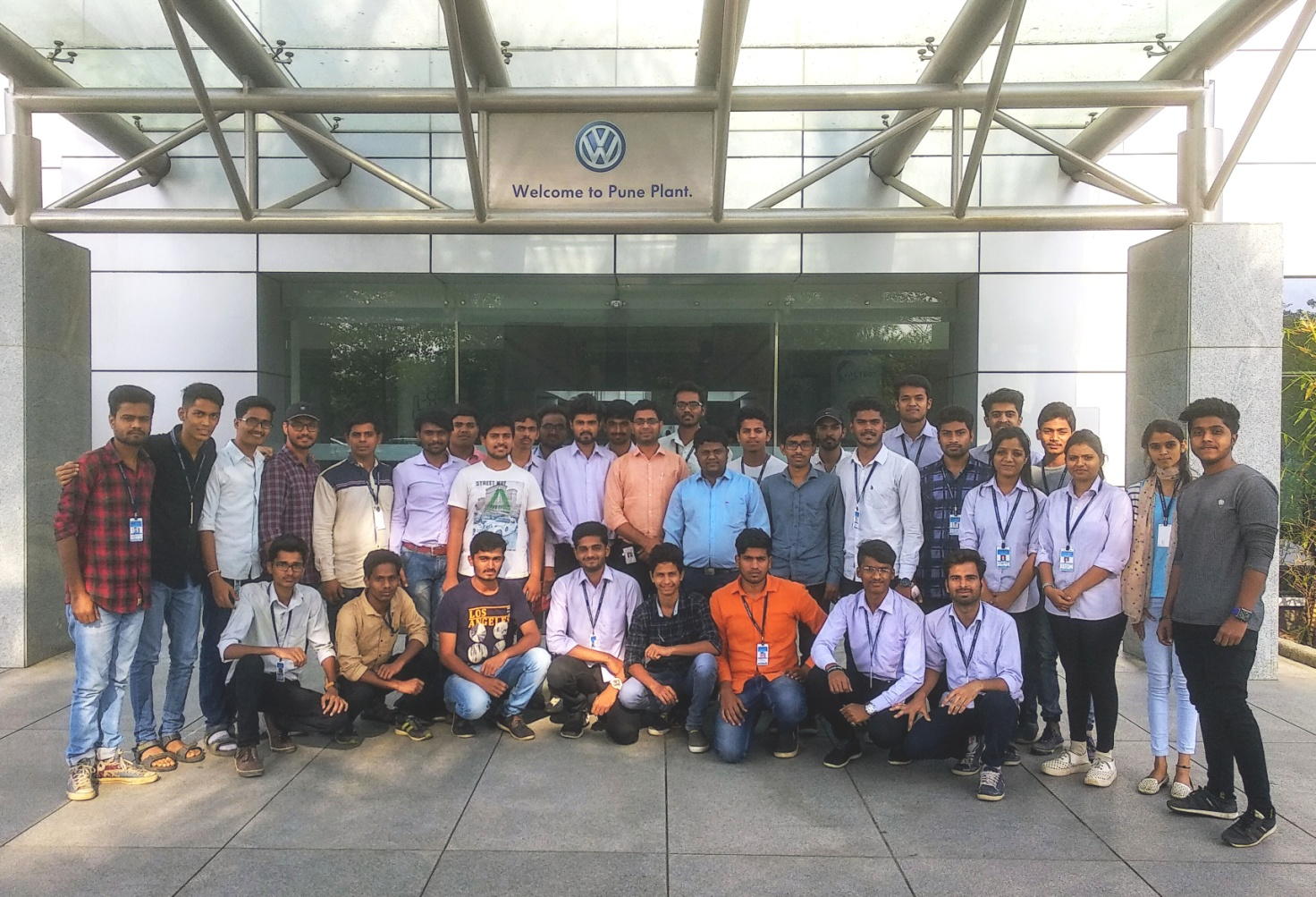
The Department of Mechanical Engineering organized an industrial visit to Volkswagen, Chakan, Pune, for Second Year Mechanical Engineering students. The visit was arranged to provide practical exposure to industrial manufacturing practices and bridge the gap between classroom learning and real-world applications. During the visit, students observed various processes involved in automotive parts manufacturing and vehicle assembly, including press shop operations, body shop automation, painting processes, quality control procedures, material handling systems, and final assembly line operations. The students also gained insights into modern manufacturing technologies, lean production techniques, automation, and safety practices adopted in the automobile industry.
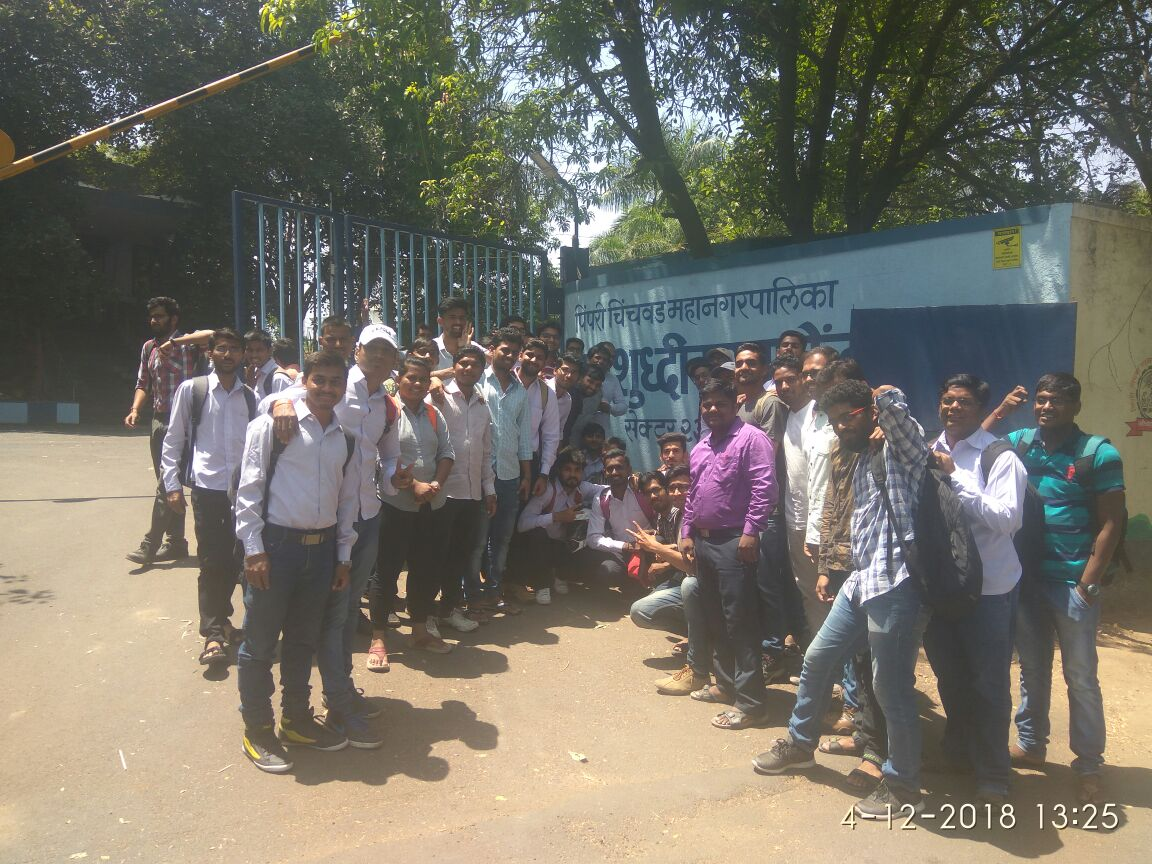
The Department of Mechanical Engineering organized an industrial visit to the Water Pumping Station, Nigdi for B.E. Mechanical Engineering students. The visit was conducted to provide practical exposure to pumping systems and their applications in water supply and distribution networks. During the visit, students studied the working principles, operation, and maintenance of various pumps used for water transportation. They gained knowledge about pump selection, performance characteristics, piping systems, control mechanisms, energy efficiency measures, and safety practices followed in the operation of large-scale water pumping stations. The students also observed the monitoring and management of water distribution systems.
No downloads available yet.
